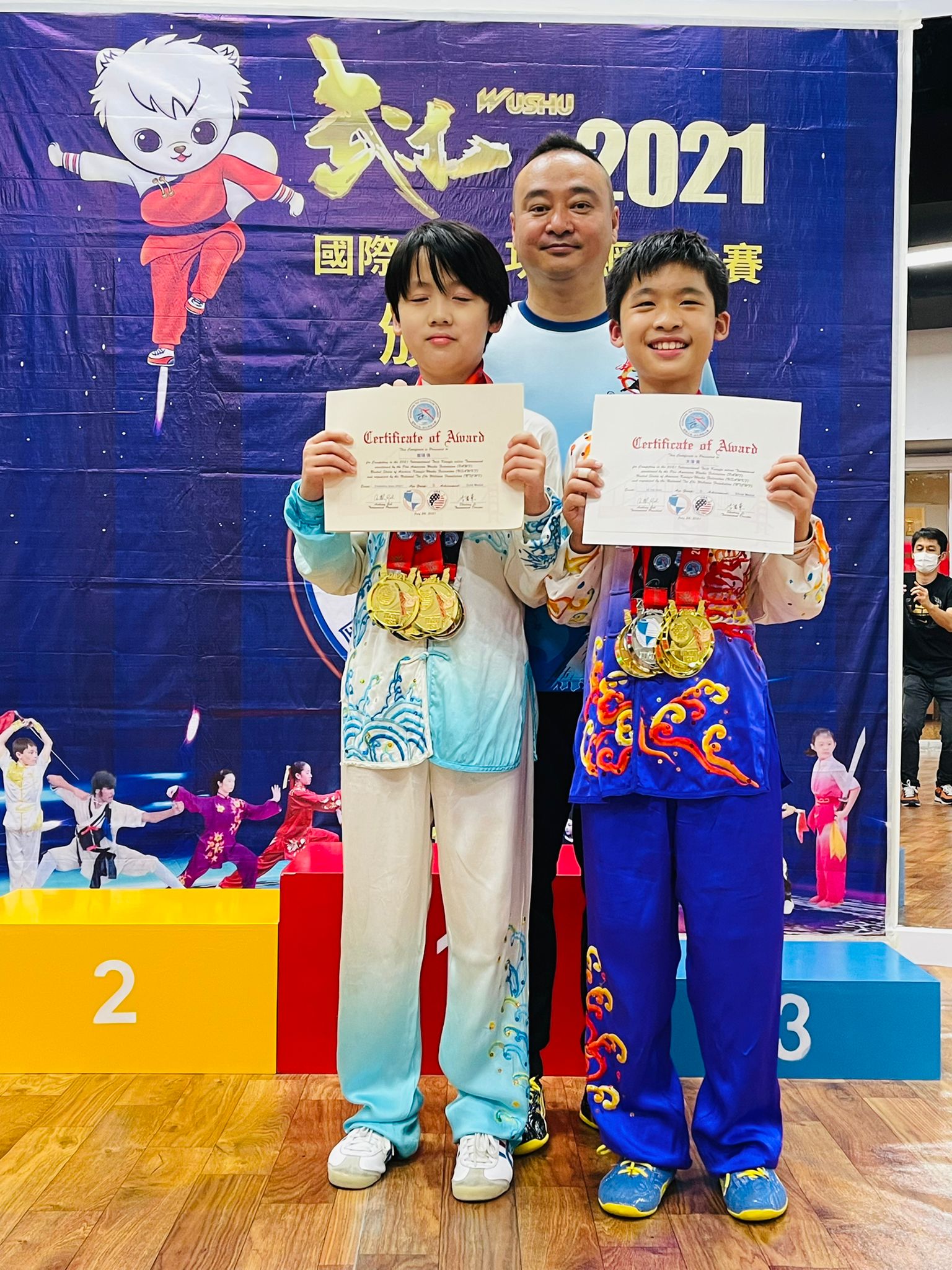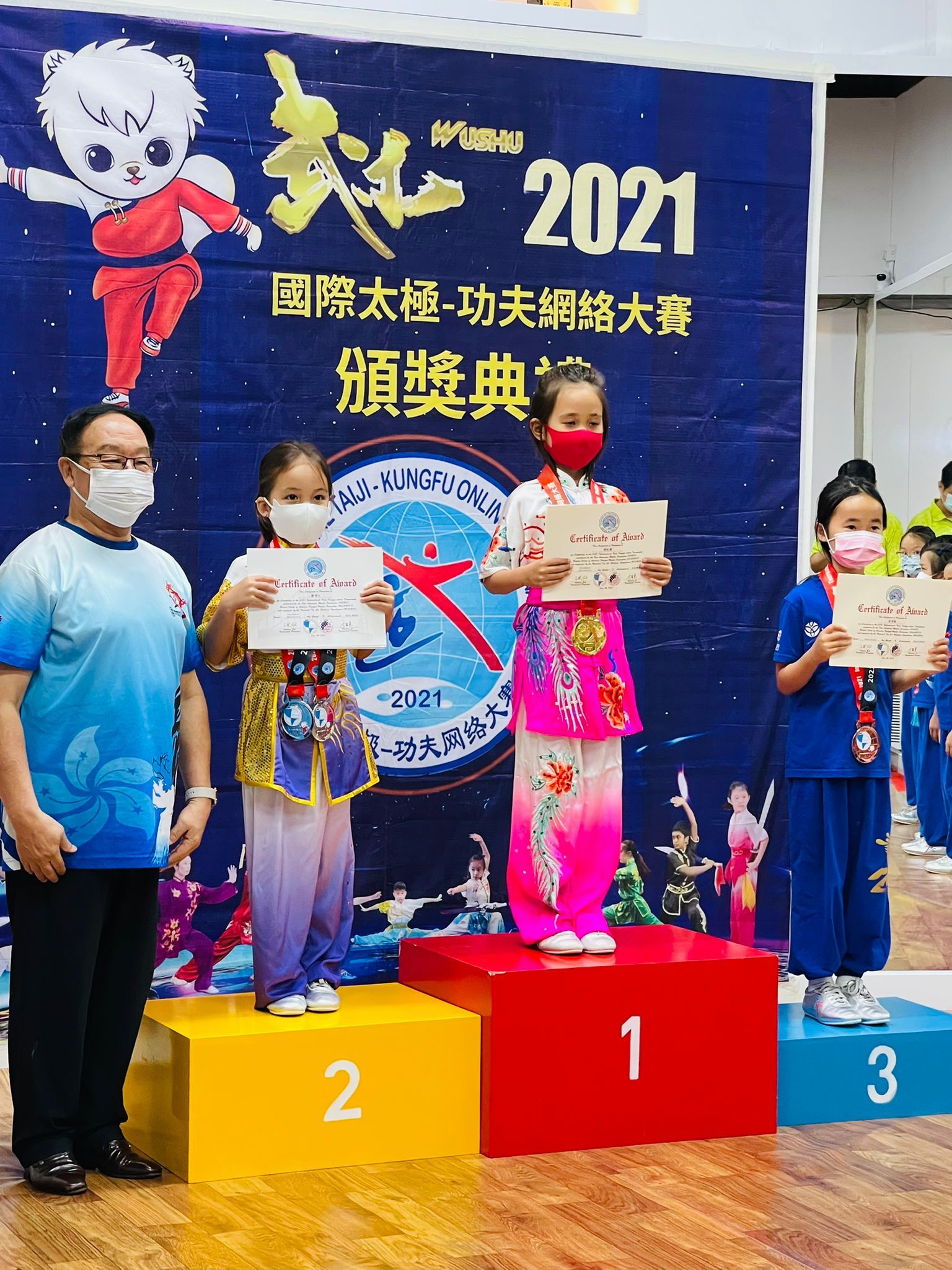
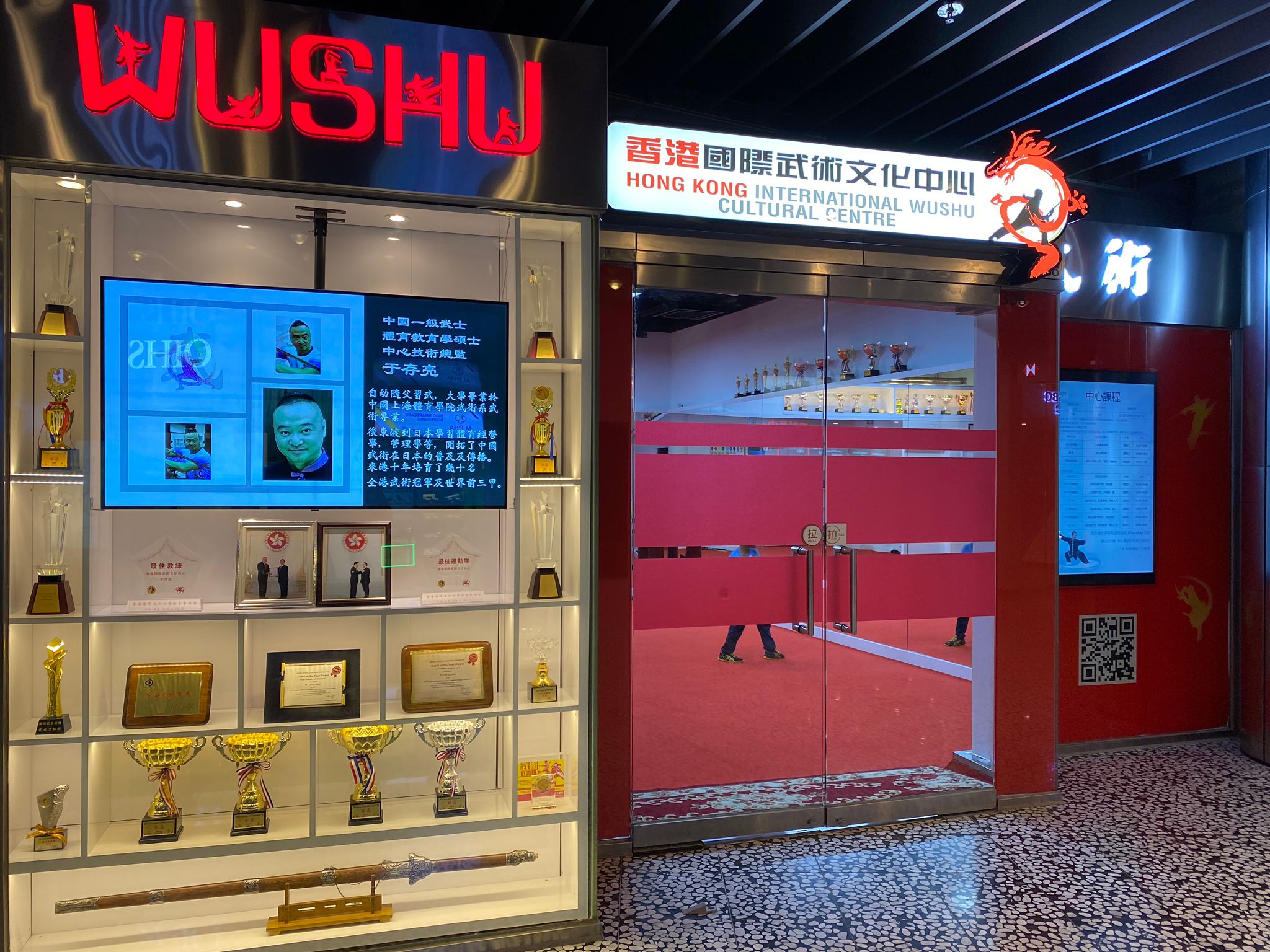
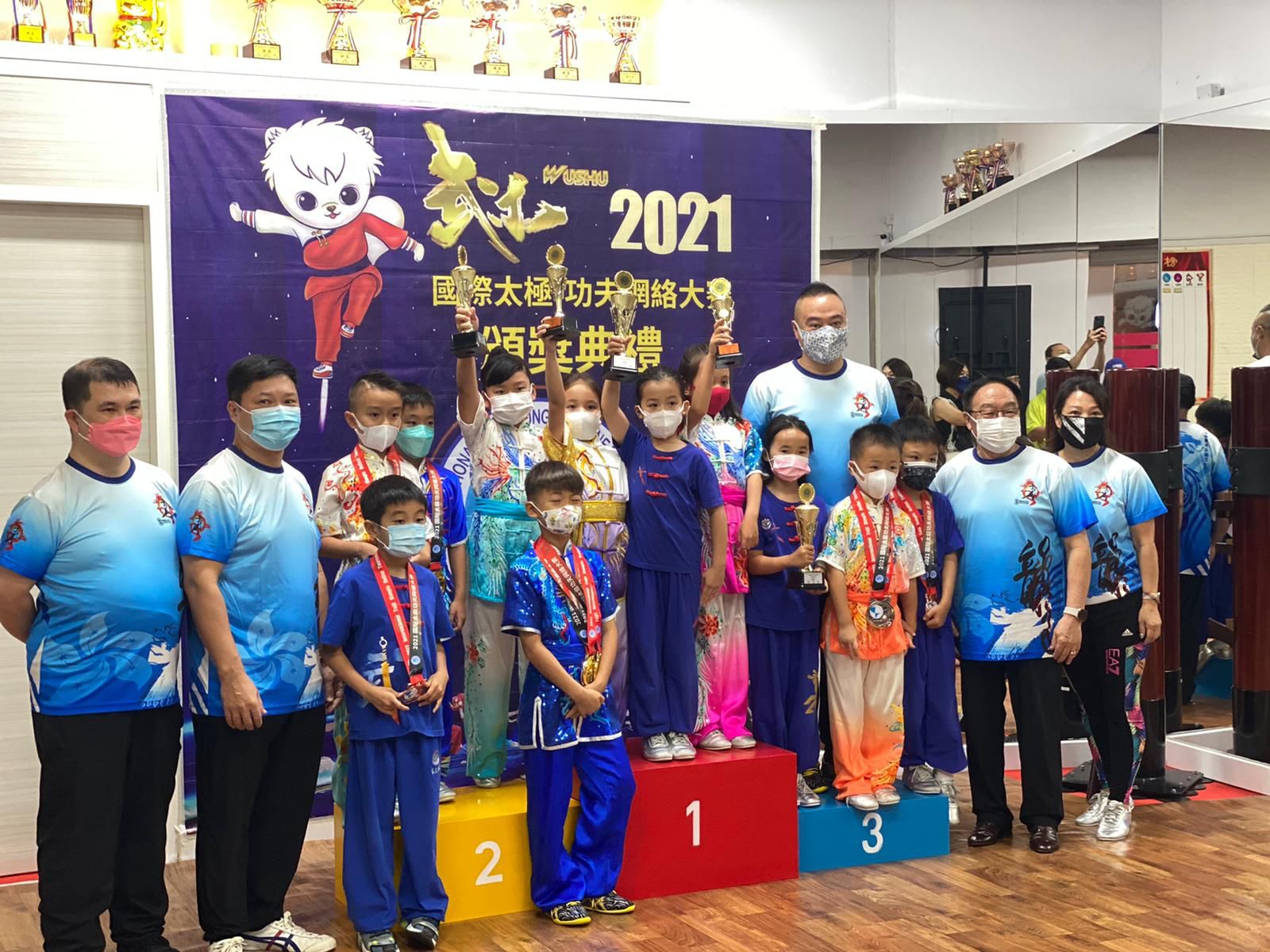
Through wushu training, the Center helps students improve their physique, co-ordination, flexibility and self-defense. Discipline, morality, team spirit, respect, self-confidence and self-improvement are also cultivated. We have unearthed and nurtured potential, developing many of Hong Kong’s elite wushu athletes and global champions.
Training is an important part of the Centre’s practices, based on the curriculum of the Hong Kong Martial Arts Federation. Students are encouraged to complete grade-level examinations and participate in competition at different levels.
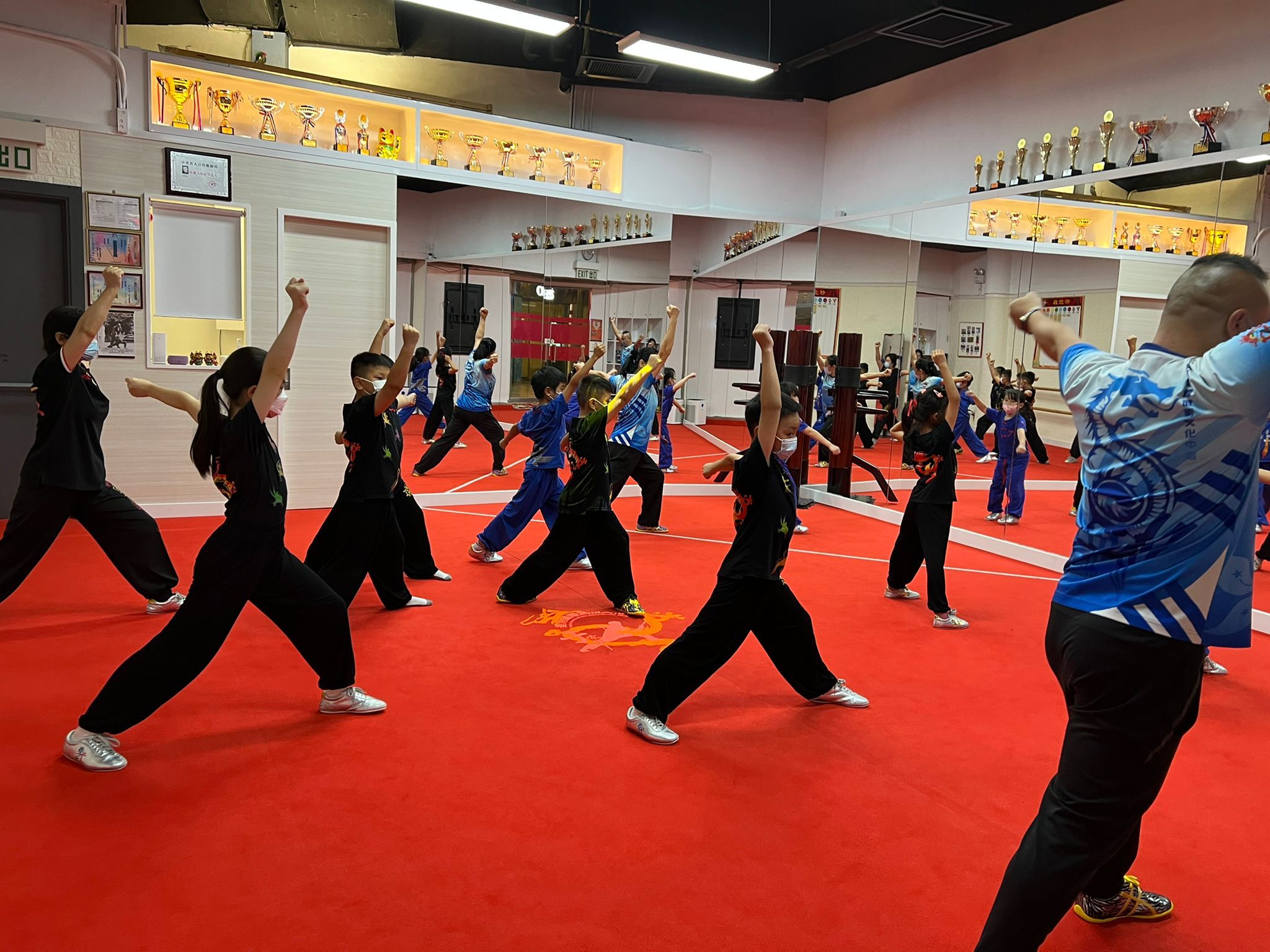
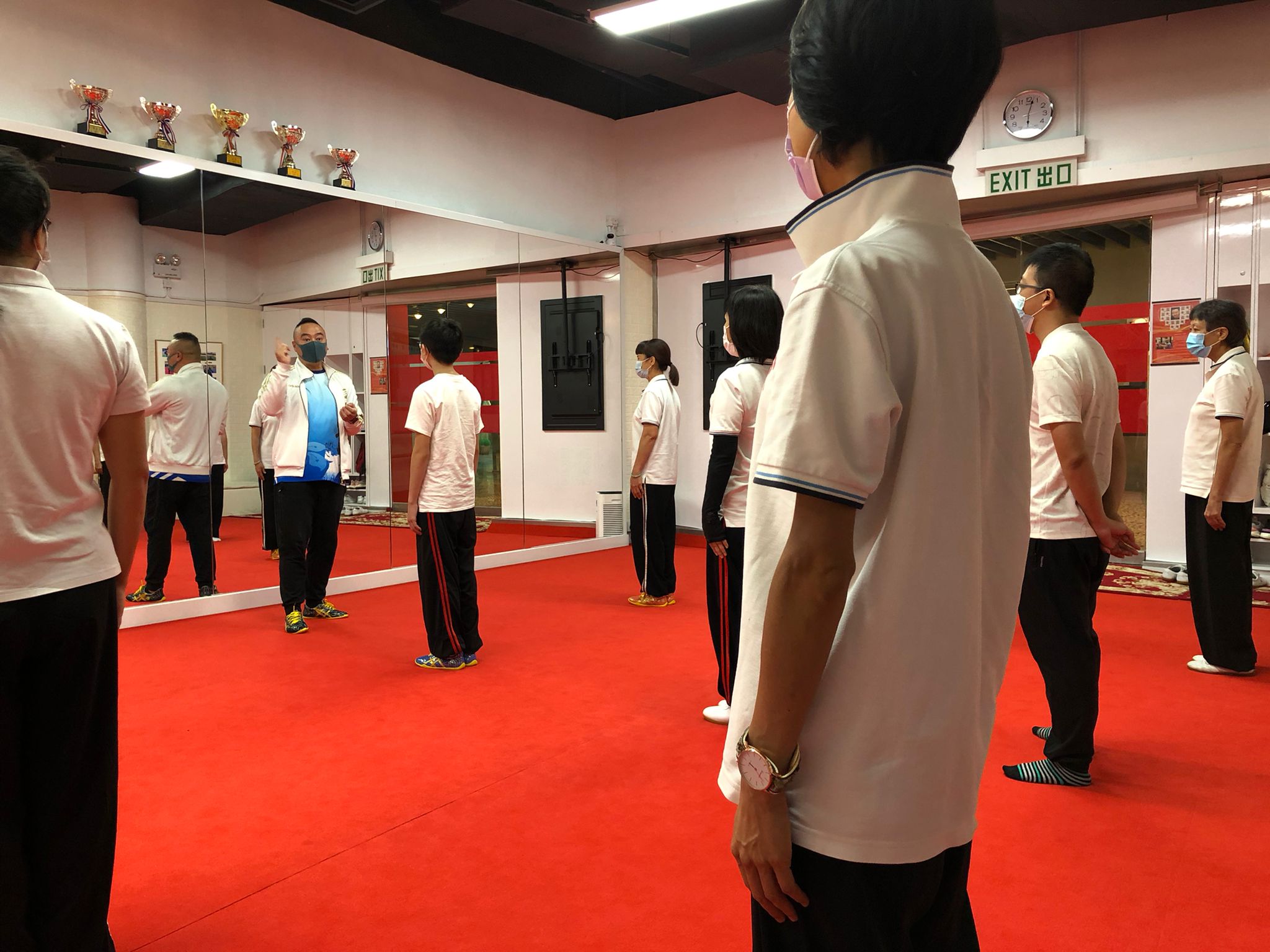
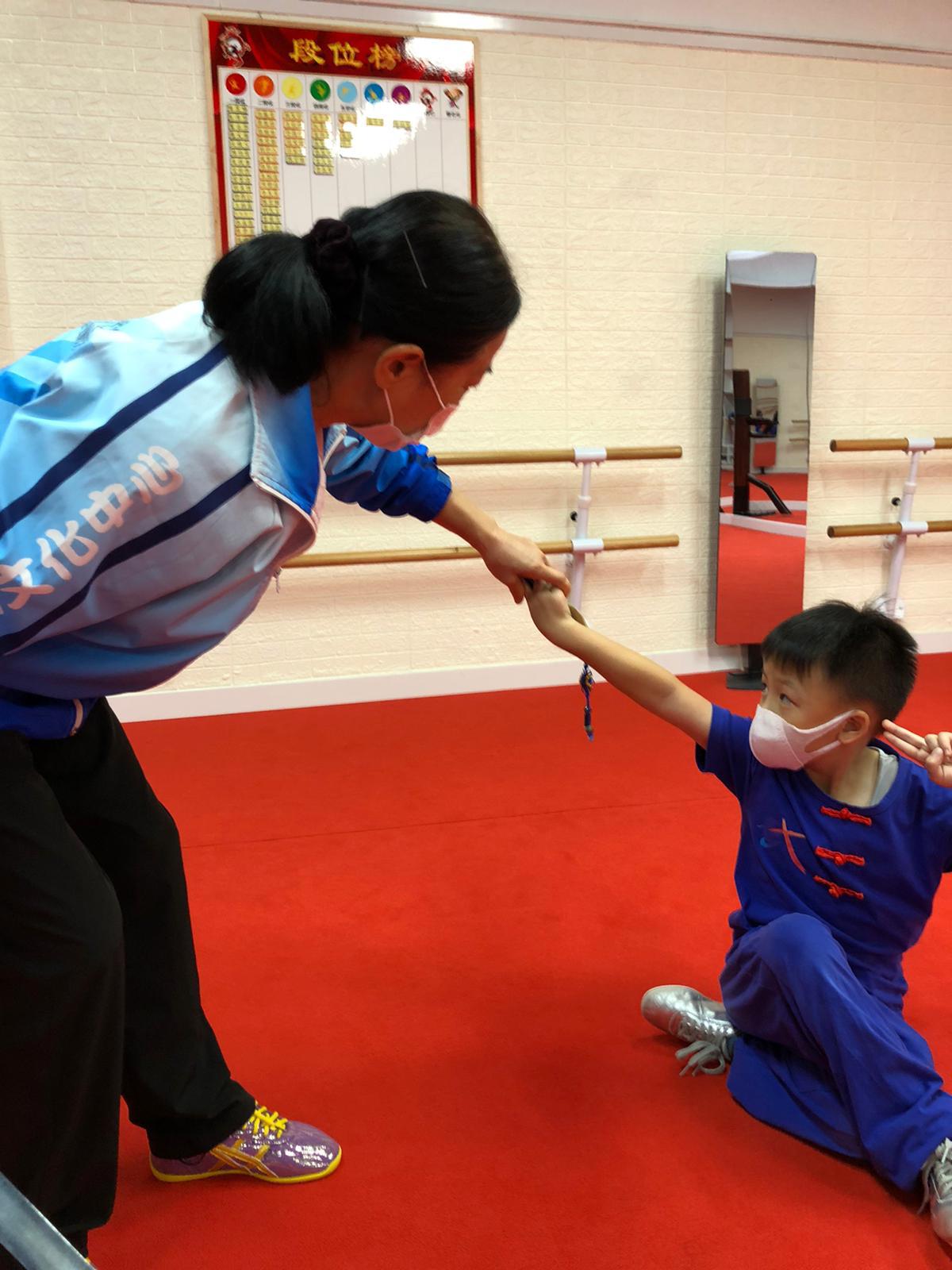
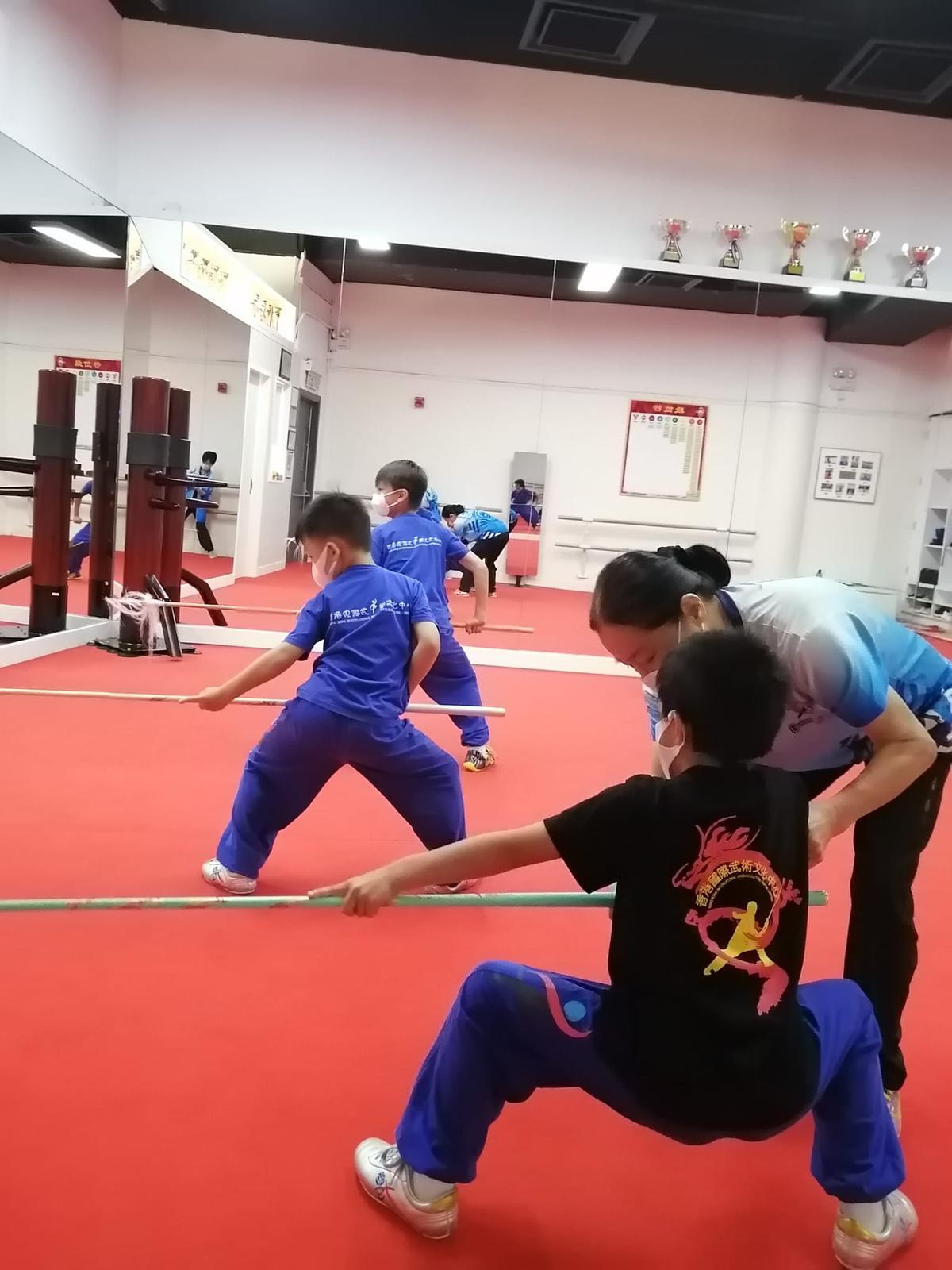
Traditional Chinese culture programs include Di Zi Gui Wushu, Three-character Classic Wushu and Tang Poetry Wushu.
International Wushu Programs are conducted for Beginning, Intermediate, and Advanced Routines for international competitions.
Changquan (Long Fist), Jianshu(Straight Sword), Daoshu (Broadsword), Gunshu(Cudgel), Qiangshu(Spear), at first and second level of internationally prescribed routines. Nanquan(Southern Fist), Nangun(Southern Staff), Nandao(Southern Broadsword), 24/42 Taijiquan(Tai Chi Chuan), Taijijian (Tai Chai Straight Sword) and other competition routines are also taught.
A series of Chinese martial arts grade tutorials are also offered. These are conducted in accordance with the latest international courses of the Chinese Wushu Association, and comply with traditional martial arts practices.
Tai Chi Health
Traditional wushu: Chen, Yang, Wu, Sun, Wu and other types of Taijiquan. Health exercises, such as Ba Duan Jin, and Wu Qin Xi. Traditional routines: Cha Quan, Hua Quan, Shaolin Quan, Xingyi, Tong Ji and Ba Ji Quan.
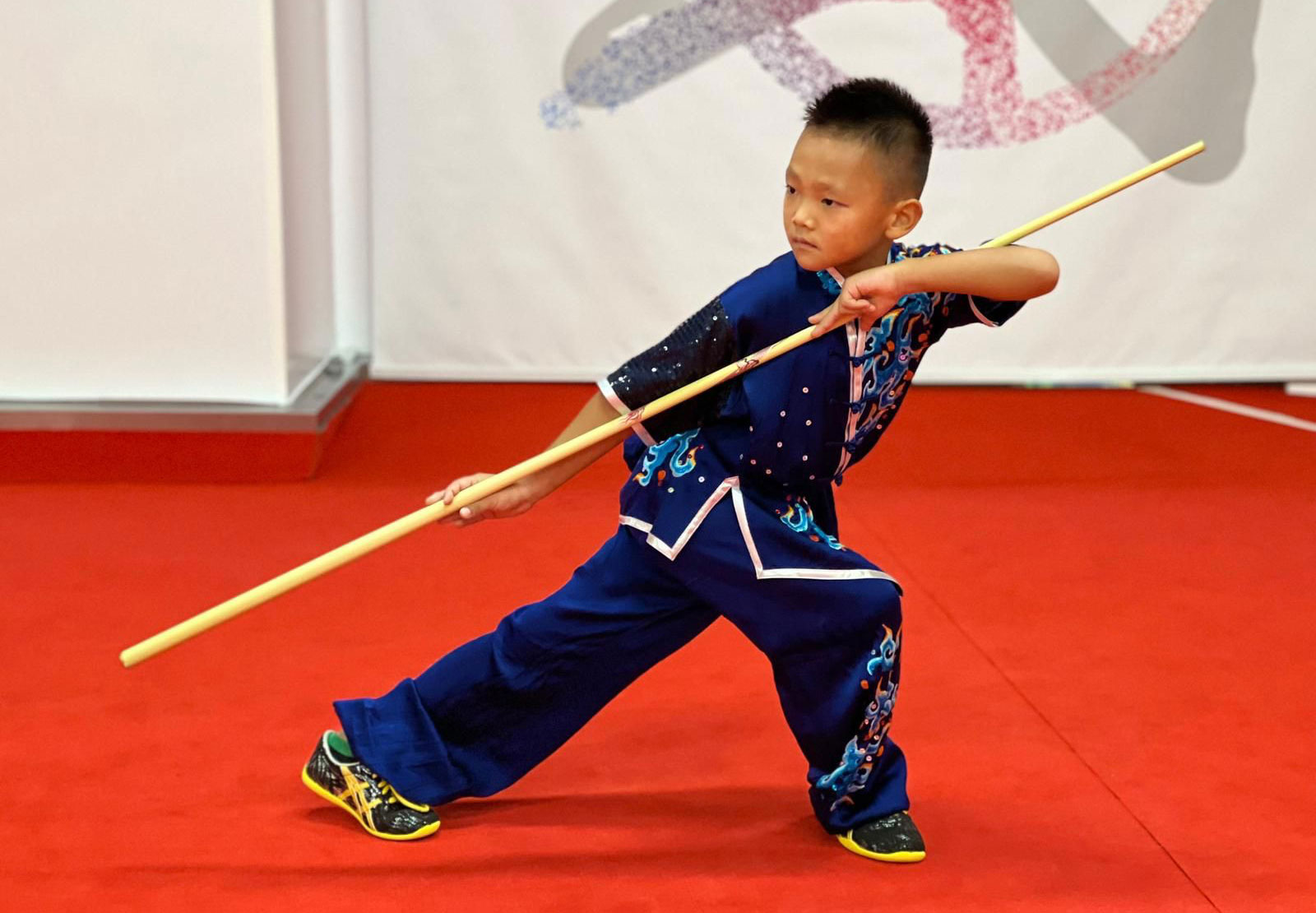
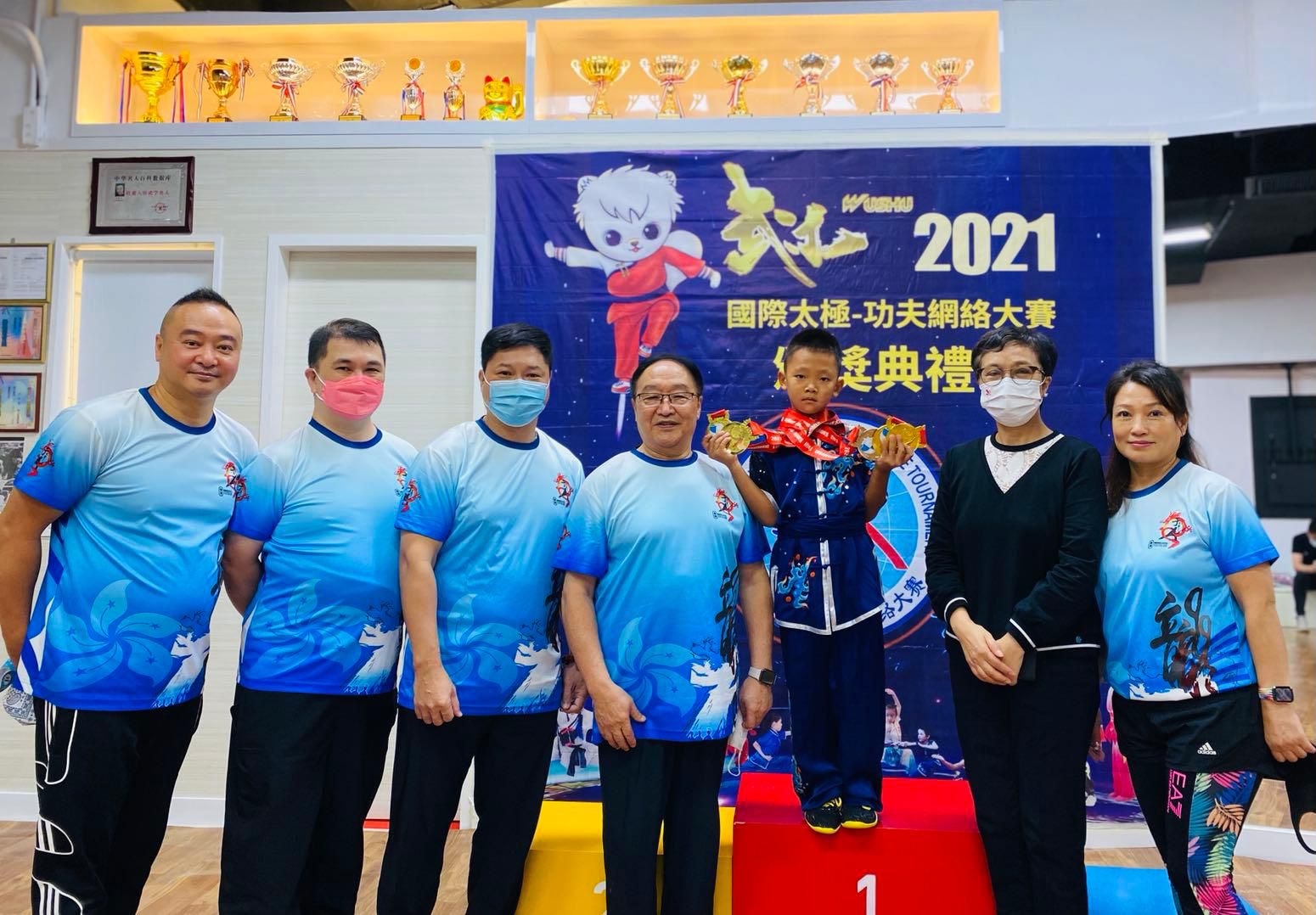
Introduction to Chinese Wushu:
Chinese wushu is part of the spirit of the Chinese nation and soul of traditional culture. It has a long history and, as a unique form of sport, has evolved over time. Wushu is rich in content and has versatility. Found in every corner of the world it is practiced and loved by millions.
At the core of Chinese wushu are various routines, fighting techniques, offensive and defensive strategies, and weapon techniques. The learning of wushu is based on personal mental temperament, emphasizing hand-eye coordination, bodywork, footwork, spirit, energy, strength, hard work and unity. In transforms mind and body.
There are many forms and factions of wushu and, as such, uniform standards are difficult to define. However, with experience honed over thousands of years, the International Wushu Federation has formulated a series of practices to promote self-reliance, self-improvement, and physical fitness. Wushu now conform to recognized international standards, reflecting the inherent cultural characteristics and philosophical pillars which continue to have a profound impact on Chinese world culture.
Many countries and regions promote the development of martial arts in schools and tertiary institutions. China, Chinese Taipei, Singapore, Malaysia and Macau, to name a few, and wushu as part of the curriculum. In Hong Kong, schools have established separate disciplines, with "interest ", "wushu improvement” and “elite” classes, as well as school teams. The development of wushu welcomed and loved by teachers and students, for its physical and mental development of growing children.
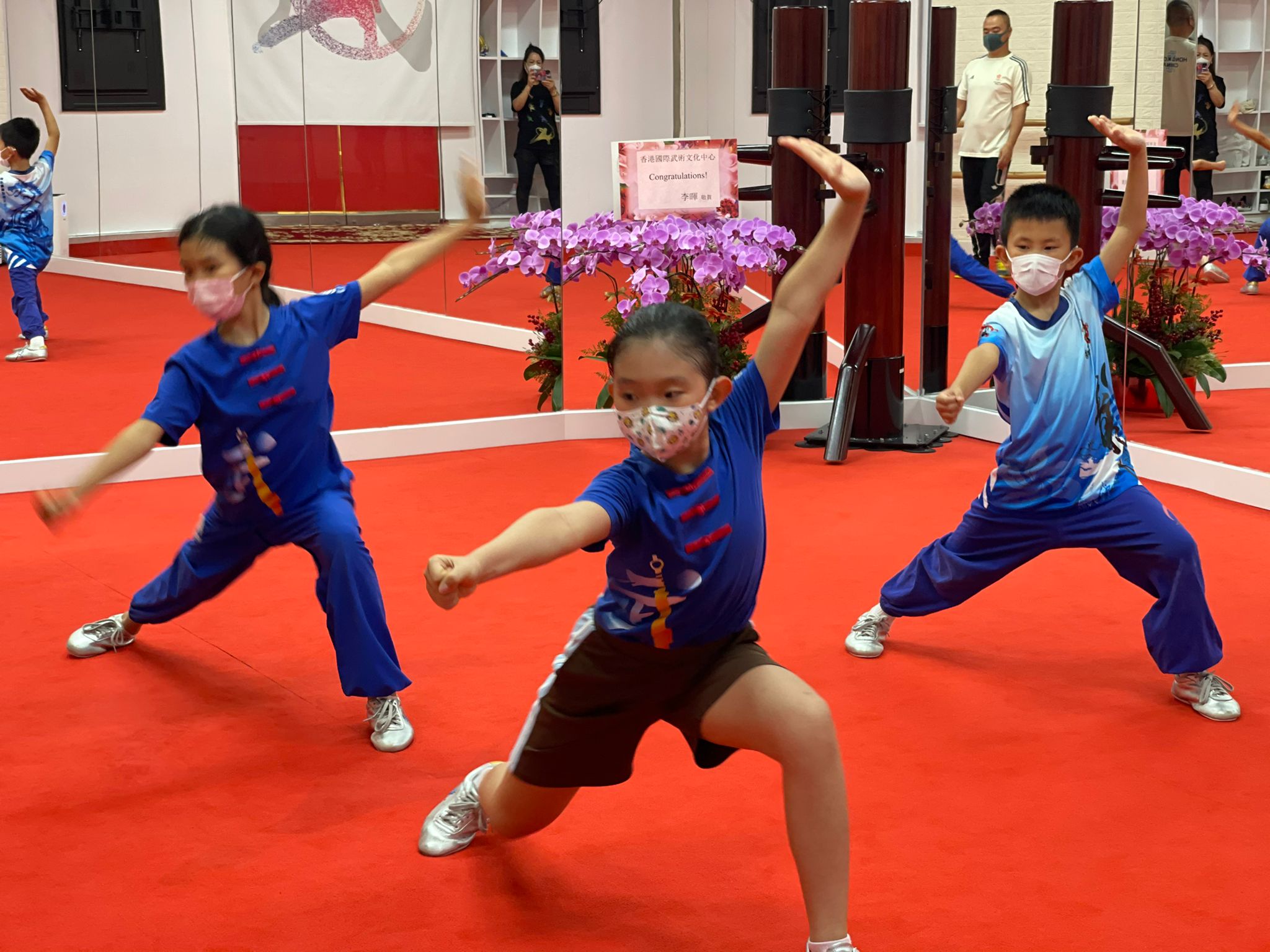
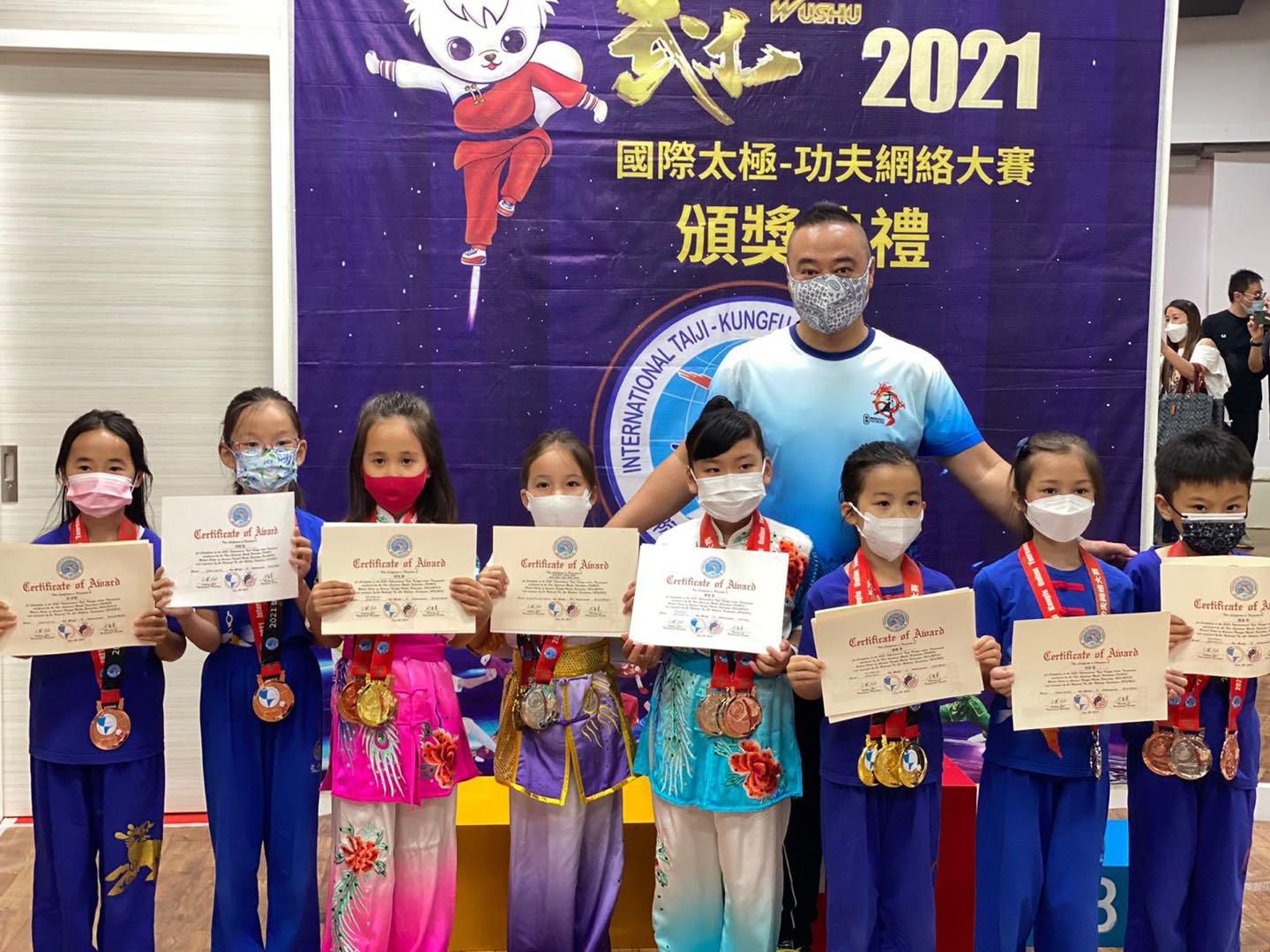
Instructor profile and resources:
The teaching team is composed of tutors rich in experience, superb wushu techniques, and dedicated to the welfare and care of the individual. They include elite local and mainland martial artists, university professors, and outstanding teachers. They have taught at many institutions and schools in Hong Kong, such as Hong Kong Wushu Union, Hong Kong Leisure and Cultural Services Department, Pui Ching Canossa Primary School, Maryknoll Convent School and Diocesan Primary School. Each has made outstanding contributions to the promotion, development and improvement of Hong Kong wushu.